
Critical thinking, creative thinking, systems thinking, ...
Thinking skills are often recognised as essential to educational achievement and professional effectiveness. For example, the most recent edition of the World Economic Forum’s report on the future of jobs ranks systems thinking, creative thinking and analytical thinking among the most important skills in the workplace. It also describes them as increasingly important in the era of Artificial Intelligence.
Similarly, the European Commission’s sustainability competence framework describes systems thinking, futures thinking and strategic thinking as key to addressing environmental, social and economic challenges. Many other institutions have also recognised the importance of thinking skills across all sectors, roles and regions, such as the United Nations (design thinking), The World Bank (computational thinking) and the OECD (critical thinking).
...this thinking, that thinking, many thinkings!
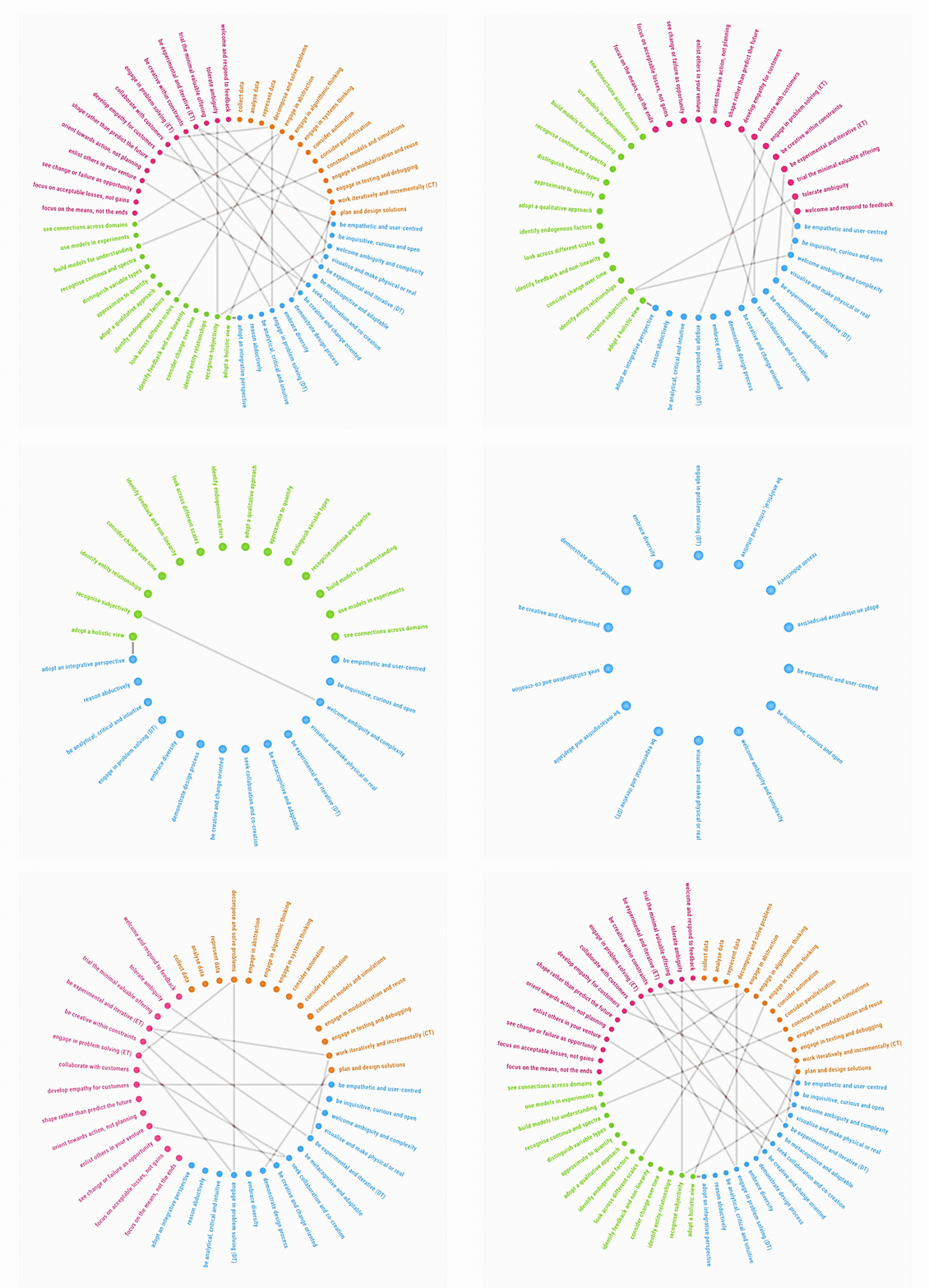
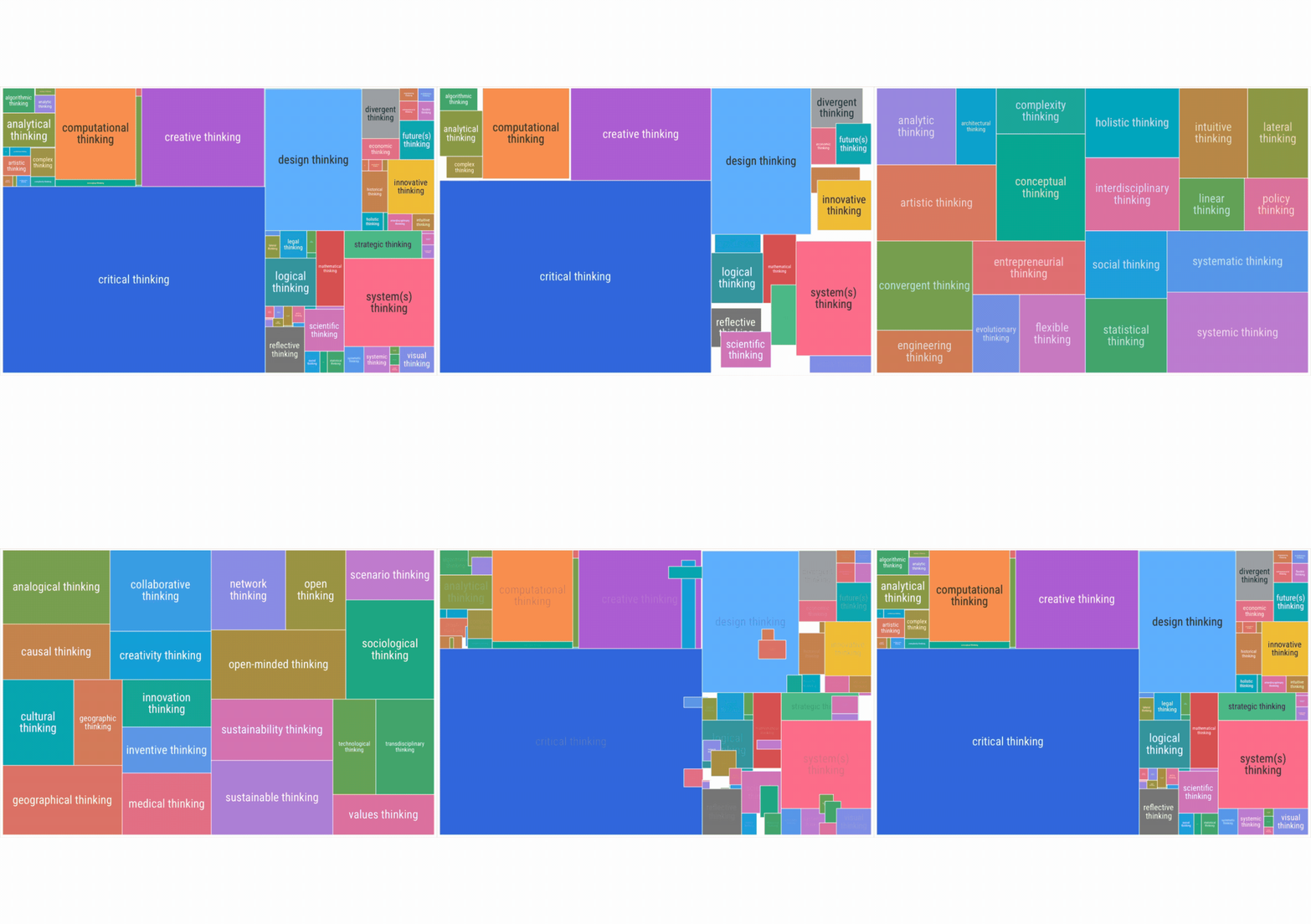
Lots of thinking skills have been identified, not just those few listed above. However, it has always been difficult to establish which skills to prioritise and to find ways to compare or combine them. To address this, recent and ongoing research is here made accessible through a collection of interactive visualisations.
Each page includes representations, which can be adjusted to reveal specific data and relationships. You are invited to select the underlying data, filter for the views that are most useful and examine the pop-up information for further details. There are six main pages, permitting the exploration of different questions:
Meanings How often are thinking skills described as 'methods', 'approaches' or something else? How does this vary between skills?
Distributions How concentrated are thinking skills in particular disciplines or practices? How widely and evenly distributed are they?
Relations What connections are there between thinking skills? How well connected are the literatures that describe them?
Profiles How can people's thinking skills be represented? How can the relevant data be navigated and interrogated?
Citations What citation patterns are found for thinking skills? Which disciplines and authors are most cited across literatures?
Questions? Ideas? Get in touch.
© Nathan Crilly 2026